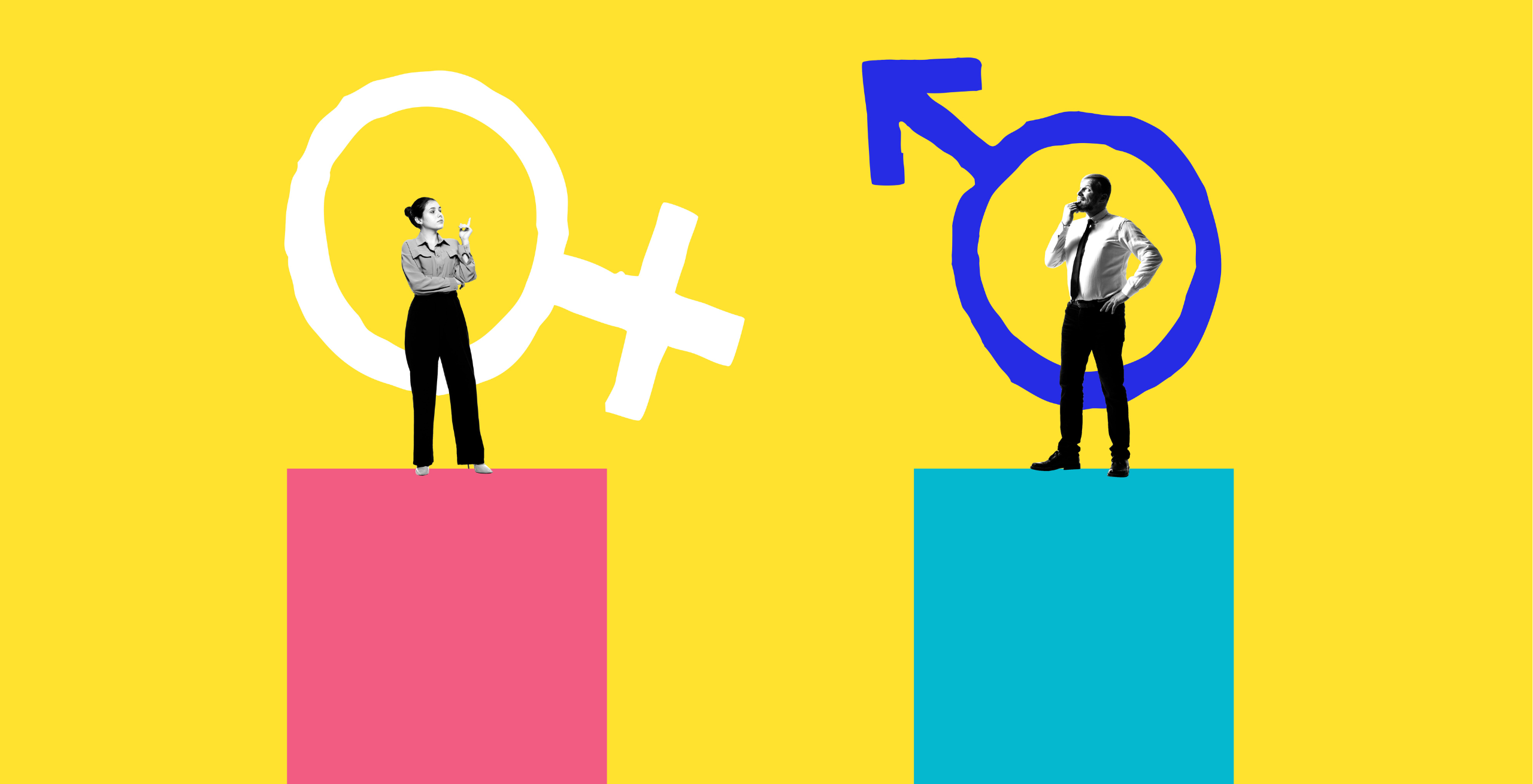
According to the EU Gender Equality Index 2025, progress towards gender equality across the EU remains uneven, with an overall score of 63.4 out of 100. Even the highest-ranking countries are still some distance from full equality.
Ahead of International Women’s Day, Diversity Charter Sweden invited Diversity Charters across Europe to share their reflections on how gender equality in the workplace is developing in their respective countries.
Summary of National Perspectives
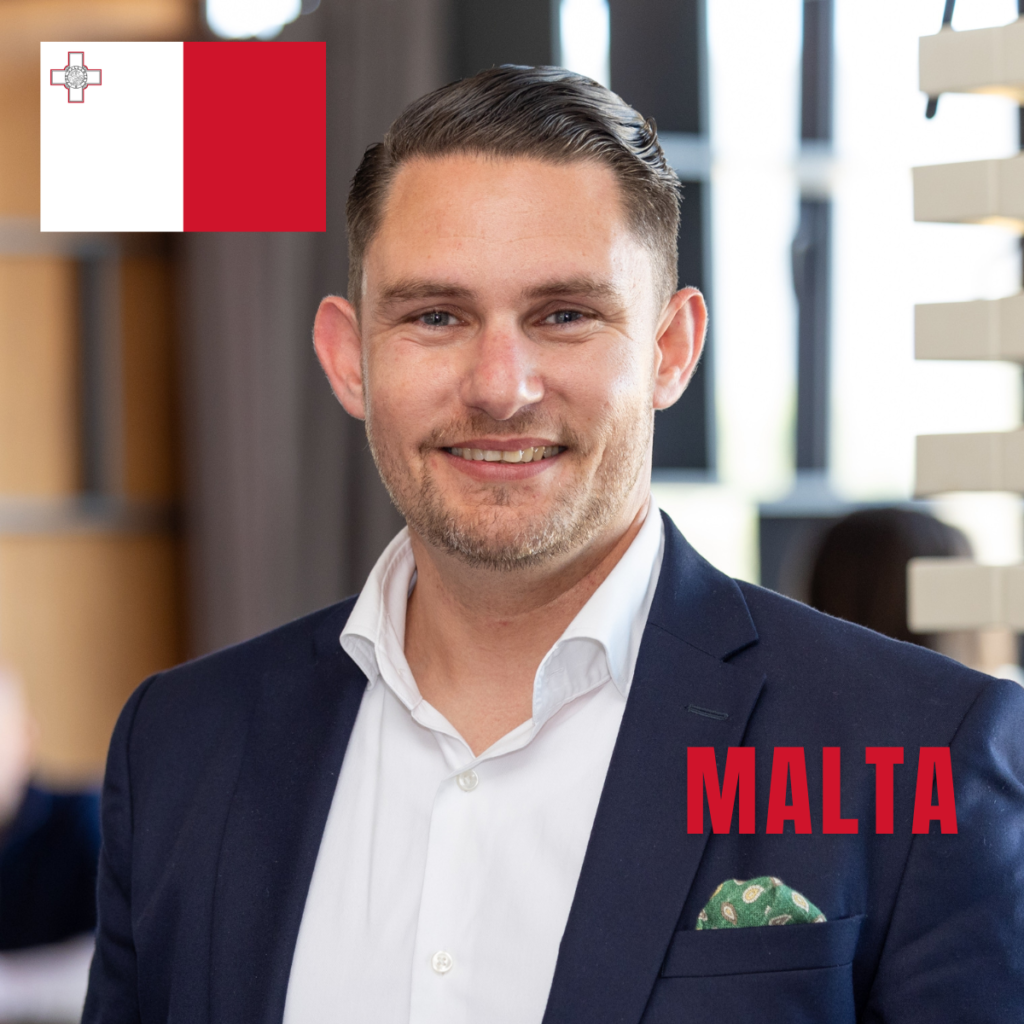
Diversity Charter Malta
Julian Dingli, CEO
According to Julian Dingli, gender equality in the workplace in Malta has progressed in recent years, particularly through the expansion of free universal childcare. At the same time, he highlights that informal workplace cultures and the widespread reliance on part-time work among women with caring responsibilities continue to shape career opportunities.
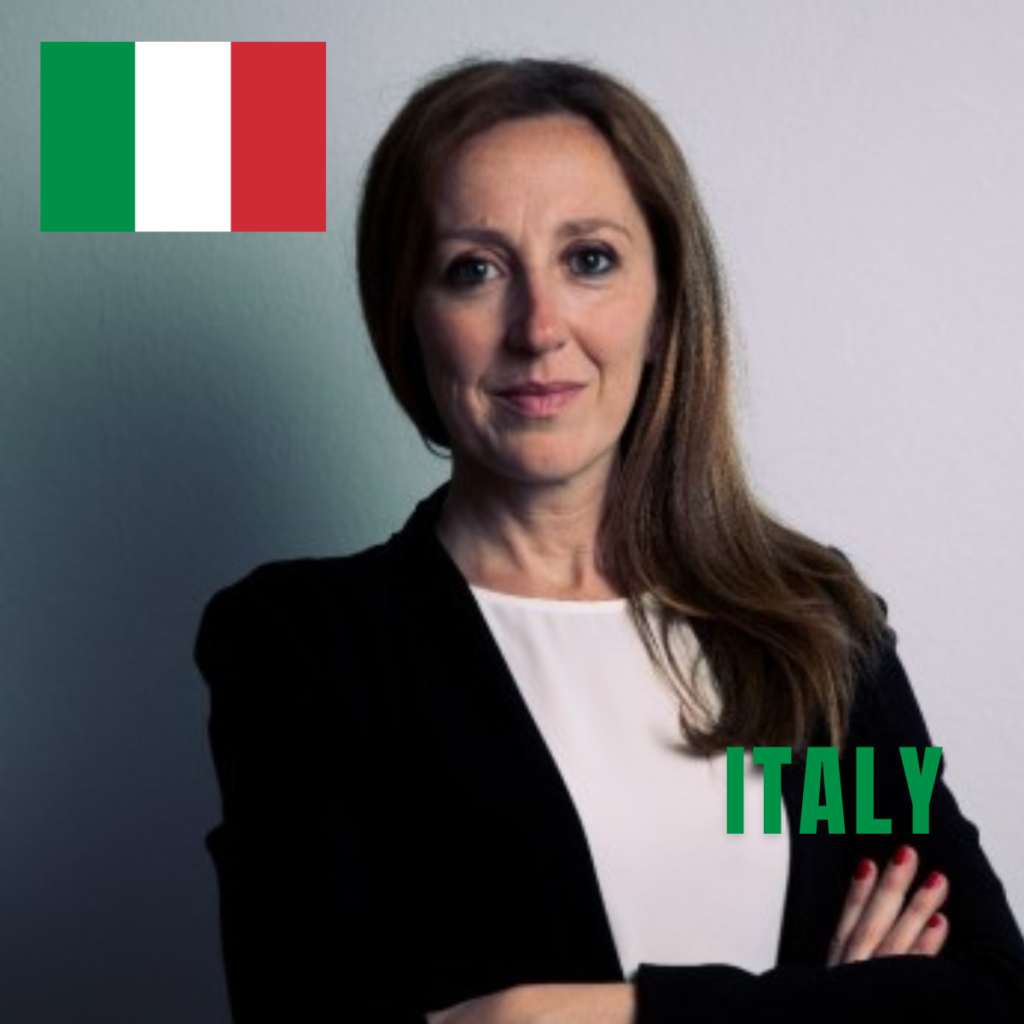
Diversity Charter Italy
Patrizia Giorgio, Program Manager
In Italy, the unequal sharing of caregiving responsibilities continues to shape women’s career opportunities and progression. Looking ahead, greater pay transparency and stronger monitoring of gender-disaggregated data are expected to play an important role in advancing workplace equality. At the same time, initiatives such as gender equality certification and increased attention to diversity within corporate governance are encouraging companies to take more concrete action.
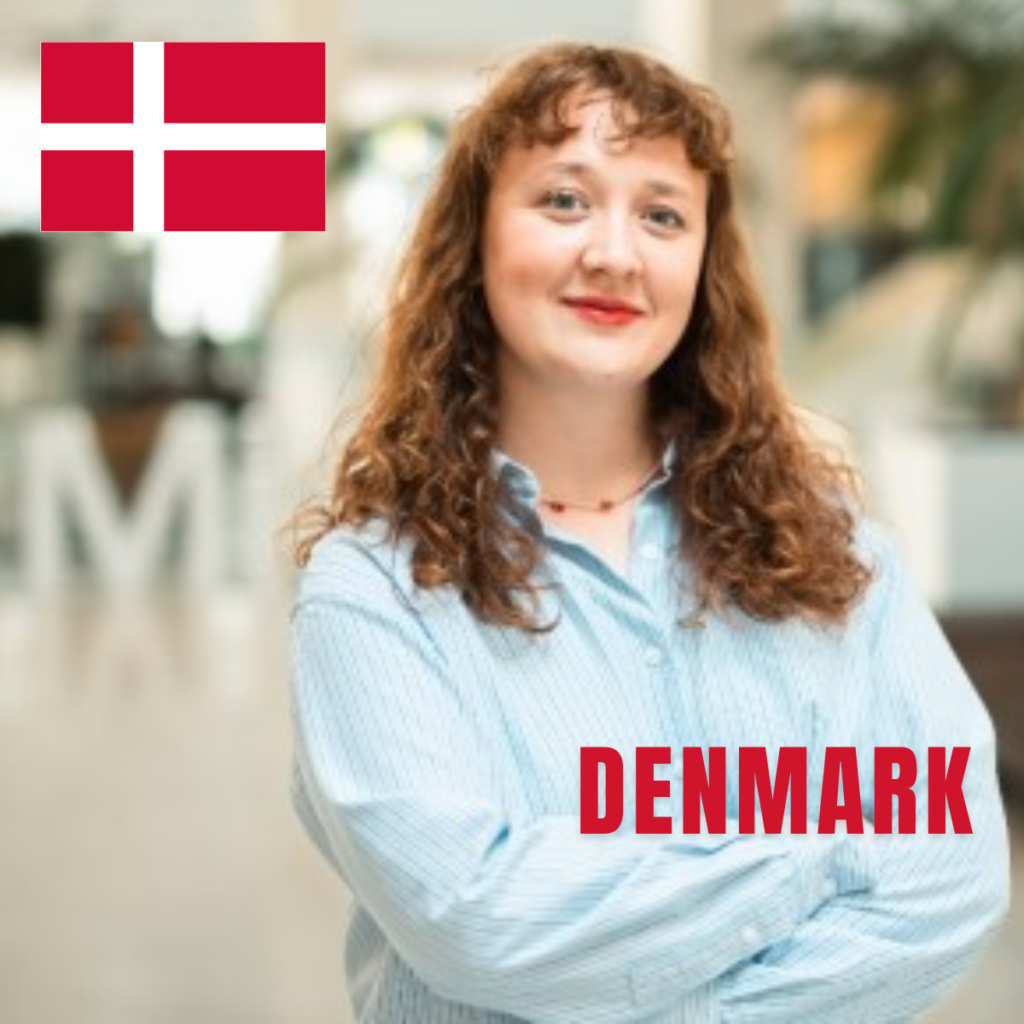
Diversity Charter Denmark
Cecillie Möller, Project Consultant
Gender equality in Denmark’s workplaces is often discussed in overall averages, while intersectional gaps receive less attention. Cecillie highlights how women with migrant backgrounds, disabilities or precarious employment can face greater barriers in hiring and career progression. She also points to recent reforms such as earmarked parental leave for both parents as an important step towards a more equal distribution of caregiving responsibilities and a shift in workplace norms.
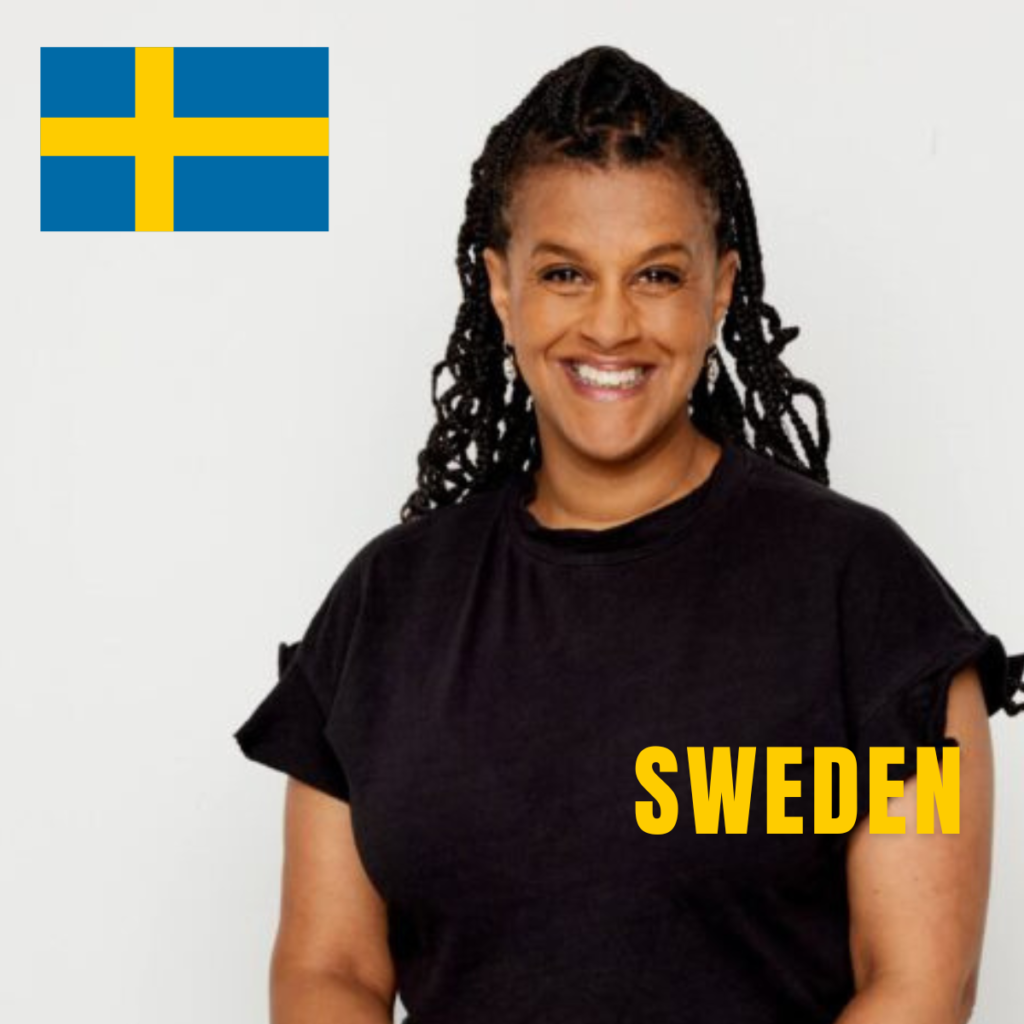
Diversity Charter Sweden
Anna Carlsson Sigstedt, Secretary General
In Sweden, gender equality is often associated with representation and work–life balance, while questions of women’s ownership and access to capital receive less attention. Looking ahead, employers will need to remain proactive and renew their commitment to gender equality to ensure that progress does not stagnate. At the same time, strengthened European cooperation and legislation are seen as important in reinforcing shared standards and sustaining long-term progress.
National Perspectives
In your opinion, is there any aspect of gender equality in the workplace in your country that does not receive sufficient attention today?
One area that deserves far greater attention in Malta is the persistence of informal workplace culture and unconscious bias, particularly in smaller and family-owned businesses, which form the backbone of our economy. While legislation has advanced significantly, the day-to-day experience of women in these environments often goes untracked and unaddressed. We also rarely speak openly enough about the ”part-time trap”. Many women in Malta work reduced hours, not by true preference, but because caring responsibilities leave them no other option. Until we treat care work as a shared societal responsibility rather than a women’s issue, we will continue to see women’s career progression quietly stall.
While gender equality is widely discussed in Italy, the unequal sharing of care responsibilities still deserves greater attention. Women continue to carry a larger share of family and caregiving duties, which can affect career opportunities and progression. Further developing more balanced parental leave and related measures would help create more equitable caregiving opportunities for both parents. At the same time, greater availability of childcare and care services at the national level would play a crucial role in supporting families. Supportive workplace cultures can also help normalize shared caregiving responsibilities.
In Denmark, gender equality is often discussed in averages, but intersectional gaps receive less attention. Women with migrant backgrounds, disabilities, or precarious employment often face greater barriers in hiring and career progression. The gender pay gap remains about 12–13%, and women still hold only around one-third of leadership roles. Structural factors such as promotion pathways, networks, and allocation of strategic tasks are therefore central to address.
Gender equality is often associated with representation and work–life balance, while these are important issues, the question of women’s ownership and access to capital deserves greater attention. Women entrepreneurs still receive a significantly smaller share of investment compared to men, which affects long-term influence and economic power. If we are serious about gender equality, we must also address who owns, who invests, and who shapes the future of the economy.
Looking a few years ahead, what changes do you think employers in your country may need to make to advance gender equality in the workplace?
Employers in Malta will need to move beyond compliance and make genuine structural changes, starting with flexible and hybrid working arrangements that are available to all employees, not just those who negotiate hard for them. We will also need to see far more intentional investment in women’s leadership pipelines, including mentoring, sponsorship, and transparent promotion criteria. Pay equity audits must become routine practice, not a reaction to public pressure. Perhaps most importantly, employers will need to actively engage men as partners in this work, normalising paternity leave uptake and shared caregiving is essential if we are to shift the deeper cultural dynamics that still hold women back.
In the coming years, pay transparency will likely become a key driver of progress on gender equality in the workplace. Employers may need to strengthen transparency around salary ranges, promotion criteria, and career development opportunities, also in light of upcoming European requirements. Collecting and monitoring gender-disaggregated data will be essential to identify and address potential gaps. At the same time, real progress will require a broader cultural shift — not only within organizations but across society — toward more equal expectations and opportunities for women and men.
Employers will likely need to move toward greater transparency and structural accountability. With the EU Pay Transparency Directive approaching, organisations must strengthen pay data analysis and clarify promotion criteria. Companies should also ensure flexible work and parental leave policies do not slow career progression. Embedding intersectional DEIB data and leadership accountability will be key to achieving sustainable progress.
In the coming years, employers in Sweden will need to renew their commitment to gender equality rather than assume that progress will continue automatically. Continued knowledge-sharing, active leadership and structured equality work will be important to ensure that progress does not stagnate. Employers need to remain engaged and proactive, ensuring that gender equality remains a visible and strategic priority within organisations.
If you were to identify one development over the past few years that you believe has strengthened gender equality in your country, what would it be?
Without question, the introduction and expansion of free universal childcare in Malta has been transformative. This single policy shift has had a measurable impact on female labour market participation, which has risen dramatically over the past decade and now approaches the EU average, a remarkable shift for a country that started from a very low base. It demonstrated what is possible when government, employers and civil society align around a concrete barrier and commit to removing it. It also sent a powerful cultural signal: that women’s participation in the workforce is valued and worth investing in. For us at the Malta D&I Charter, it remains a powerful example of the outsized impact that bold, structural interventions can have.
One important development in Italy has been the growing attention to gender equality within corporate governance and sustainability agendas. The introduction of gender equality certification and the increased monitoring of diversity indicators have encouraged many companies to take concrete action. In particular, the uptake of the gender equality certification has progressed rapidly, already surpassing the original national diffusion targets. Collaboration between institutions, businesses, and initiatives such as the Diversity Charter has also contributed to raising awareness. Together, these efforts are helping to strengthen the focus on gender equality in the workplace. Overall, however, there is still a long way to go to achieve genuine gender equality in Italy, both in terms of welfare provisions and real wages.
One of the most significant recent developments has been the introduction of earmarked parental leave for both parents in 2022. The reform requires that a portion of parental leave cannot be transferred between parents. This policy change aims to encourage a more equal distribution of caregiving responsibilities.
From a workplace equality perspective, this is important because unequal parental leave has historically contributed to slower career progression and wage development for women. Encouraging fathers to take more leave can gradually shift workplace norms around caregiving, career breaks, and leadership expectations. However, the long-term impact will depend on how employers support employees in taking leave without negative career consequences.
One important development is the strengthening of European cooperation and legislation in the field of gender equality. European legislation and policy frameworks play an important role in reinforcing shared standards and pushing progress forward. Strong European frameworks can help ensure that gender equality continues to advance across the Union, regardless of political shifts in individual countries. In that sense, European cooperation complements national policies and helps sustain long-term progress.
Shared Challenges and Progress Across Europe
Looking across the reflections from different countries, several common themes emerge. While national contexts differ, questions around care responsibilities, pay transparency, leadership representation and access to economic power remain central across Europe. At the same time, policy developments – from parental leave reforms to European legislation – show that structural change can make a real difference.
Together, these perspectives highlight both the progress made and the continued need for employers, policymakers and civil society to work collectively to advance gender equality in the workplace across Europe.